
The Bahamas have long been synonymous with pristine white-sand beaches, crystal-clear turquoise waters, and a laid-back lifestyle that draws visitors from around the globe. Beyond their undeniable natural and tourism appeal, this archipelago has become an exceptional canvas for high-end contemporary architecture that engages in dialogue with its ecosystem. The traditional image of colonial cottages and vernacular buildings is giving way to a new wave of residential and hospitality projects that redefine luxury from a responsible, site-sensitive perspective.
In this context, the role of the architect in the Bahamas becomes crucial. Their work goes beyond cutting-edge aesthetics and directly addresses the climate and logistical challenges inherent to a Caribbean island environment. Professionals designing in these latitudes integrate resilience, energy efficiency, and respect for local biodiversity from the earliest stages of a project. Architecture in exclusive destinations is no longer about pure display; it aims to blend into the landscape, minimize its footprint, and enhance the sensory experience of those who live in these homes.
This shift in mindset affects both the design process and the relationship with owners and investors. Clients are looking for spaces that provide total comfort, privacy, and a direct connection to nature, while also demanding solutions that stand the test of time and extreme weather. Today’s proposals combine clean lines with climate-appropriate materials, spatial layouts that blur the boundaries between indoors and outdoors, and technologies that improve efficiency without compromising aesthetics. Sea breezes and natural light become architectural assets just as valuable as the construction materials themselves.
The Rise of Contemporary Design in the Caribbean
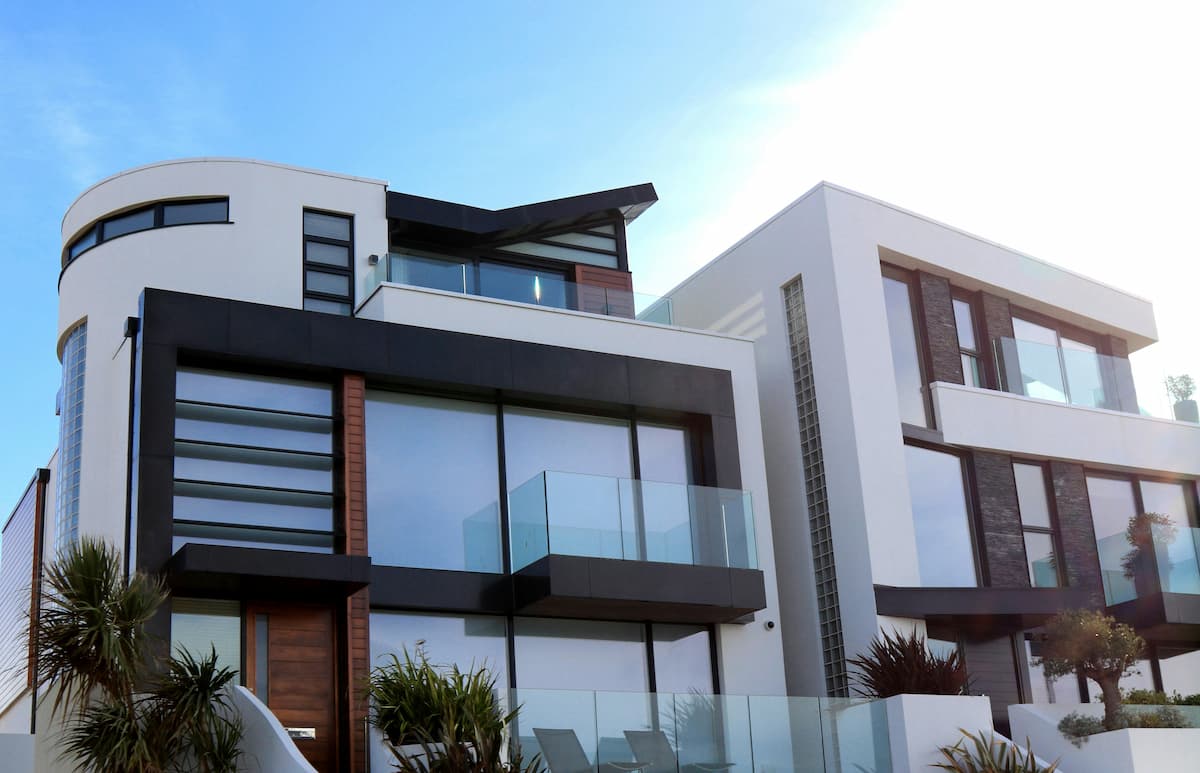
The visual transformation of the Caribbean’s most exclusive areas is striking, driven by a desire to balance modernity with local roots. While history and culture are respected, there is a clear move toward a kind of tropical minimalism that prioritizes function and formal clarity. Geometric volumes, expansive glass surfaces, and flat or gently sloped roofs shape buildings that frame the sea and sky as central design elements. In this approach, panoramic views become part of everyday living and a defining feature of the spatial experience.
Contemporary design in these latitudes isn’t simply about importing global trends; it’s about consciously adapting to local climate and culture. Architects incorporate deep overhangs to shield interiors from sun and rain, elevate platforms where topography demands it, and promote passive solutions that reduce dependence on mechanical systems. Color palettes lean toward whites and neutral tones that reflect solar radiation and improve thermal comfort, while local vegetation and materials contrast harmoniously with the marine surroundings. This “tropicalized modernism” creates homes that truly respond to both climate and community.
The Importance of Landscape Integration
One of the most valued aspects today is a building’s ability to settle naturally into its environment without imposing itself, while enhancing local ecology. Landscape integration requires a detailed study of topography, native flora, and solar orientation, as well as respect for geological formations and coastal ecosystems. The most successful projects seem to emerge organically from the terrain, as if the house were an extension of sand or coral rock—an effect achieved through native materials and sensitive construction solutions.
Garden and outdoor space design is planned from the earliest concept stages, treating courtyards, terraces, and pathways as livable extensions of the home. These spaces encourage an outdoor lifestyle that is essential in the Bahamian climate, allowing residents to enjoy mornings and evenings in comfort and safety. At the same time, landscaping serves practical purposes: acting as wind buffers, providing strategic shade, and promoting water infiltration to mitigate erosion and protect the structure.
Construction Challenges and Solutions in Island Environments
Building in an archipelago involves logistical and technical challenges that demand expert planning and local experience. Transporting materials, managing waste, and securing skilled labor all require precise coordination and carefully structured construction schedules. High-quality materials are often imported, which means planning maritime shipments, customs procedures, and coordination among multiple suppliers to avoid delays. A capable regional architect also acts as project manager and coordinator to keep uncertainty to a minimum.
Alongside logistics, climate imposes non-negotiable design and construction requirements. The Bahamas sit within a hurricane-prone zone, making structural resistance and strict adherence to building codes essential. Reinforced concrete, impact-resistant glazing, anchoring systems for exterior elements, and detailing that reduces salt infiltration are standard practice. Durability in the face of saline corrosion requires specific materials and treatments that extend the life cycle of the property.
Maintenance Strategies and Long-Term Performance
Designing with maintenance in mind helps reduce long-term costs and avoid constant interventions that disrupt livability. Choosing varnishes, paints, and finishes suitable for marine environments preserves the building’s appearance and reduces frequent repairs. Specifying natural ventilation systems and accessible technical areas for equipment also simplifies maintenance—an essential consideration on islands where supply logistics can increase operational costs.
Lifecycle planning also includes future renovations and spatial adaptability. Designing flexibly allows a residence to evolve alongside its owners’ needs, whether through program changes, expansions, or new technologies. This long-term vision maximizes the initial investment and ensures the property retains both functional and aesthetic value over time.
Sustainability as a Core Principle, Not an Option
Environmental awareness is no longer a trend but a fundamental priority in luxury architecture across the Bahamas. Many islands rely on limited water resources and intermittent power supplies, making self-sufficiency and energy efficiency increasingly common requirements in residential projects. Rainwater collection and treatment systems, purification technologies, and water-saving strategies allow homes to remain operational even in adverse conditions.
The integration of solar energy with battery storage, along with efficiency solutions such as LED lighting, high-performance heat pumps, and smart controls, reduces dependence on generators and lowers carbon footprint. Passive design strategies—including orientation to capture trade winds and appropriate thermal insulation—further reduce energy demand. Firms such as Ezlo Architects promote this convergence of technology, design, and environmental sensitivity to create sophisticated homes that remain responsible toward their surroundings.
The Importance of Combining Local and Global Expertise
Developing a successful project in the Bahamas requires a team that blends international perspective with deep local knowledge. Urban planning and environmental regulations may vary between islands and municipalities, so understanding legal requirements and permitting processes prevents setbacks and unnecessary acceleration. Professionals who maintain strong relationships with local authorities streamline procedures and reduce risks during construction.
Interdisciplinary collaboration among architects, engineers, contractors, and interior designers is essential to ensure quality execution at every level. Ongoing site supervision guarantees compliance with international standards and ensures finishes withstand the marine climate. Selecting experienced local contractors, guided by demanding technical teams, ensures specialized construction solutions are implemented correctly and that the residence ages gracefully.
Social and Cultural Impact of Architecture
Architecture in the Bahamas does more than transform landscapes; it also influences local communities and economies. Well-integrated projects generate employment, promote skilled trades, and support the transmission of traditional craftsmanship in carpentry, masonry, and landscaping. Incorporating local materials and techniques strengthens value chains that benefit the region while preserving its distinctive construction identity.
Considering social impact means respecting heritage, protecting sensitive areas, and engaging with neighbors and authorities during the design stages. A responsible approach avoids conflict and fosters social acceptance, benefiting both investors and residents. Integrating public spaces and encouraging sustainable practices also contributes to collective resilience in the face of extreme climate events.
Current Trends in Exclusive Vacation Residences
The luxury housing market in the Bahamas continues to evolve alongside changing lifestyles and user expectations. The rise of remote work has led many second homes to be occupied for longer periods, requiring functional spaces for work, leisure, and wellness. As a result, residences now include acoustically insulated offices, high-speed connectivity, and integrated ergonomic solutions that allow productivity without sacrificing the vacation atmosphere.
Wellness-focused amenities have become standard in high-end villas. Fully equipped gyms, naturally ventilated yoga rooms, private spas, and sports areas enhance quality of life and overall property value. These features create a comprehensive lifestyle offering that supports extended stays and strengthens the home’s appeal in an increasingly competitive luxury market.
The Added Value of Signature Architecture
Investing in signature architecture in the Bahamas carries aesthetic, functional, and economic impact. A custom-designed property by a recognized architect tends to retain and increase its value compared to generic constructions, thanks to its uniqueness and material quality. Exclusivity lies not only in location but in the project’s ability to craft a distinctive spatial narrative shaped by light, topography, and views—making each home truly one of a kind.
Architectural storytelling, light management, and thoughtful material use create emotional experiences that transcend pure function. By choosing the right team, owners and investors ensure that a beachfront plot becomes a lasting family legacy with its own identity. The fusion of technical innovation, aesthetic sensitivity, and respect for nature defines the new era of architecture in the Bahamas—ensuring every project adds value to both the landscape and the community in which it stands.

Soy Emilio Velazquez webmaster y principal redactor de webinstant.es . Me encantan los perros y el café caliente por las mañanas.